Generated code
What typespun generate emits, why its output is byte-stable, and how to commit the loader and fail CI with typespun check when it goes stale.
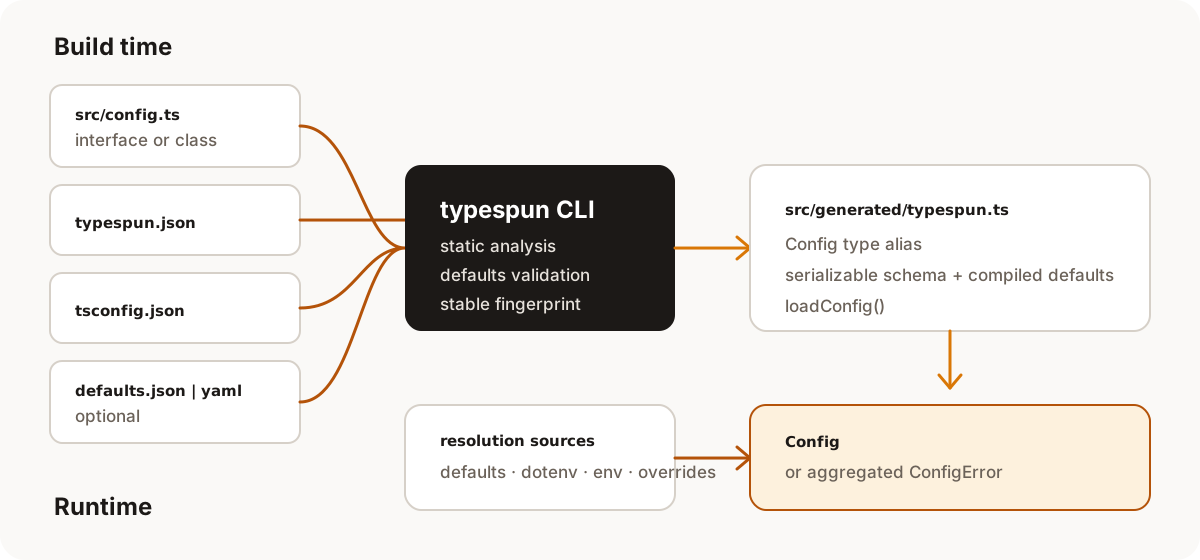
typespun generate emits a TypeScript module containing a serializable schema,
compiled defaults, a SHA-256 fingerprint comment, and two exports:
export type Config = TypespunConfig;
export const loadConfig = createLoader<Config>(schema);
The file contains no copied implementation of the resolver. It calls the
versioned typespun/generated ABI, keeping generated output small while making
the analyzed contract reviewable.
Determinism
Fields, diagnostics, JSON keys, and serialized values use stable ordering. The
fingerprint includes the generator version, normalized project configuration,
analyzed schema, import specifier, and compiled defaults. With those inputs
unchanged, generation is byte-identical and reports Unchanged.
Writes use a same-directory temporary file followed by an atomic rename.
typespun check computes canonical output in memory and never writes; missing
output is treated as stale.
Version-control workflow
bun run config:generategit add src/generated/typespun.tsbun run config:checkCommit the loader so reviews show configuration-contract changes and consumers
do not need the compiler at runtime. Regenerate whenever declarations,
defaults, typespun.json, relevant TypeScript module settings, or the codegen
version changes. Never edit the generated file manually.
Generated defaults are source code. Do not put credentials in inline or JSON/YAML defaults.
Source precedence
Typespun resolves every configuration leaf independently across five source kinds — typed overrides, an environment source, dotenv files, compiled defaults and inline defaults — and picks the highest defined candidate before coercion.
Validation and redaction
loadConfig collects every issue and throws one ConfigError. Fields marked secret omit their received value and type-specific detail from Typespun's own diagnostics — redaction, not encryption.